
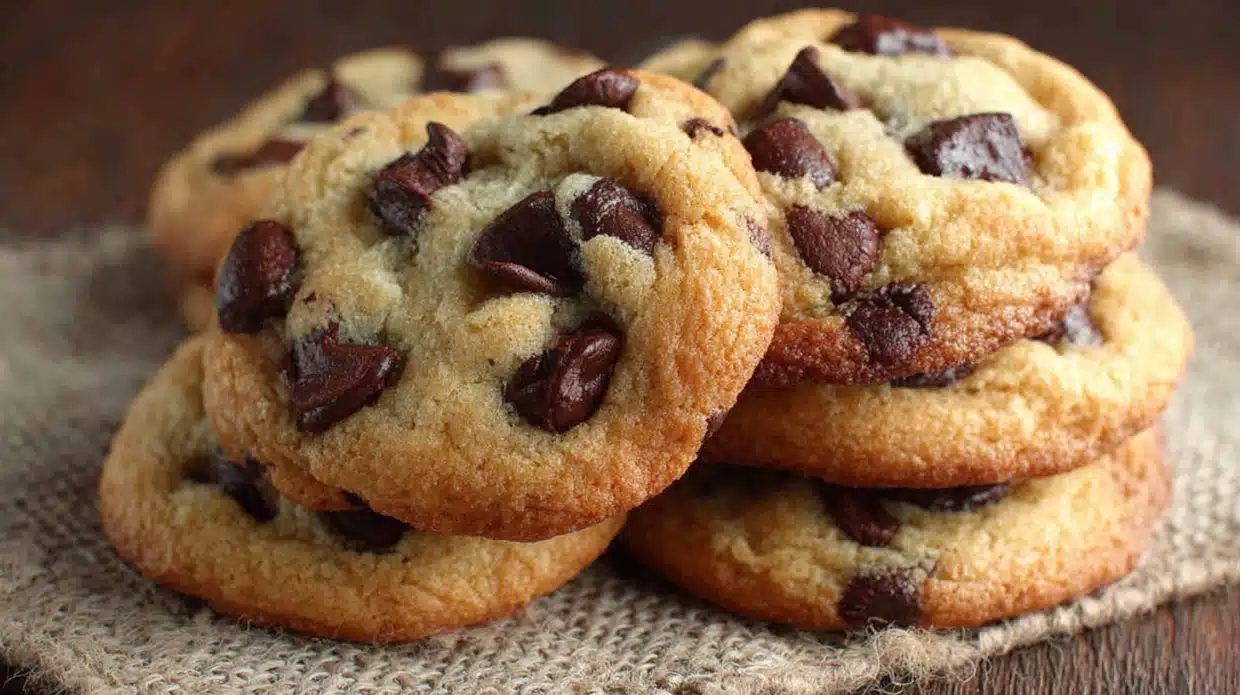
These low FODMAP chocolate chip cookies are Monash-verified safe at one cookie (approximately 45 g per serving), made with gluten-free flour and dark chocolate. Hence, you get the classic chewy center and golden edges without the wheat-based fructans that usually trigger IBS symptoms. If you have been avoiding cookies during the elimination phase, this guide gives you the exact swaps, serving math, and baking method you need to bring them back safely.
James Rivera trained in culinary technique, then rebuilt familiar comfort recipes after his partner Elena’s SIBO made garlic, onion, and standard flour-based dishes impossible to trust. That recipe-testing mindset is exactly what this cookie formula needs: hold onto the texture and flavor people actually want, while removing the ingredients most likely to create digestive fallout.
The real issue in most chocolate chip cookie recipes is not sweetness alone. It is the combination of wheat flour, the wrong chocolate choice, and poorly controlled serving size. Once those three variables are fixed, a low FODMAP cookie becomes realistic, repeatable, and far safer for the IBS elimination phase. You can also explore our low FODMAP desserts guide.
In this guide, you will learn how to keep the recipe FODMAP-friendly, how the portion math works per cookie, the exact baking instructions for the best texture, and the recipe notes and nutrition details that matter before you bake your first batch.
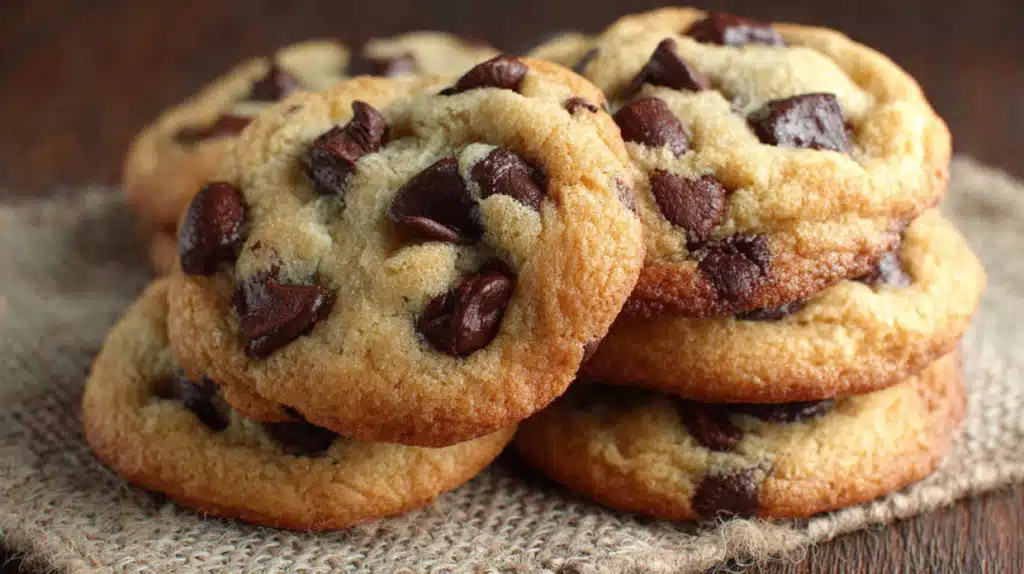
Table of Contents

Low FODMAP chocolate chip cookies

Ingredients
- 1 cup (226 g) unsalted butter, room temperature
- 1 cup (213 g) packed brown sugar
- 1/2 cup (99 g) sugar
- 2 teaspoons vanilla extract
- 2 large eggs, room temperature
- 2 1/3 cups (338 g) low FODMAP gluten-free all-purpose flour, such as Bob’s Red Mill 1 to 1
- 1 teaspoon baking soda
- 1 teaspoon salt
- 12 ounces (340 g) dark chocolate (60% to 70% cacao), chopped
- 1 1/3 cups (132 g) toasted chopped walnut halves or pecan halves, optional
Instructions
- Place the room-temperature butter in a large bowl and mix until smooth.
- Add the brown sugar, sugar, and vanilla and mix well.
- Incorporate the eggs one at a time.
- Sprinkle the flour, baking soda, and salt over the mixture and stir to combine.
- Add the chopped chocolate and the nuts if using.
- Form dough balls about the size of a golf ball.
- Bake at 375°F (190°C) for 9 to 12 minutes.
Video
Notes
Nutrition
Keep it FODMAP friendly
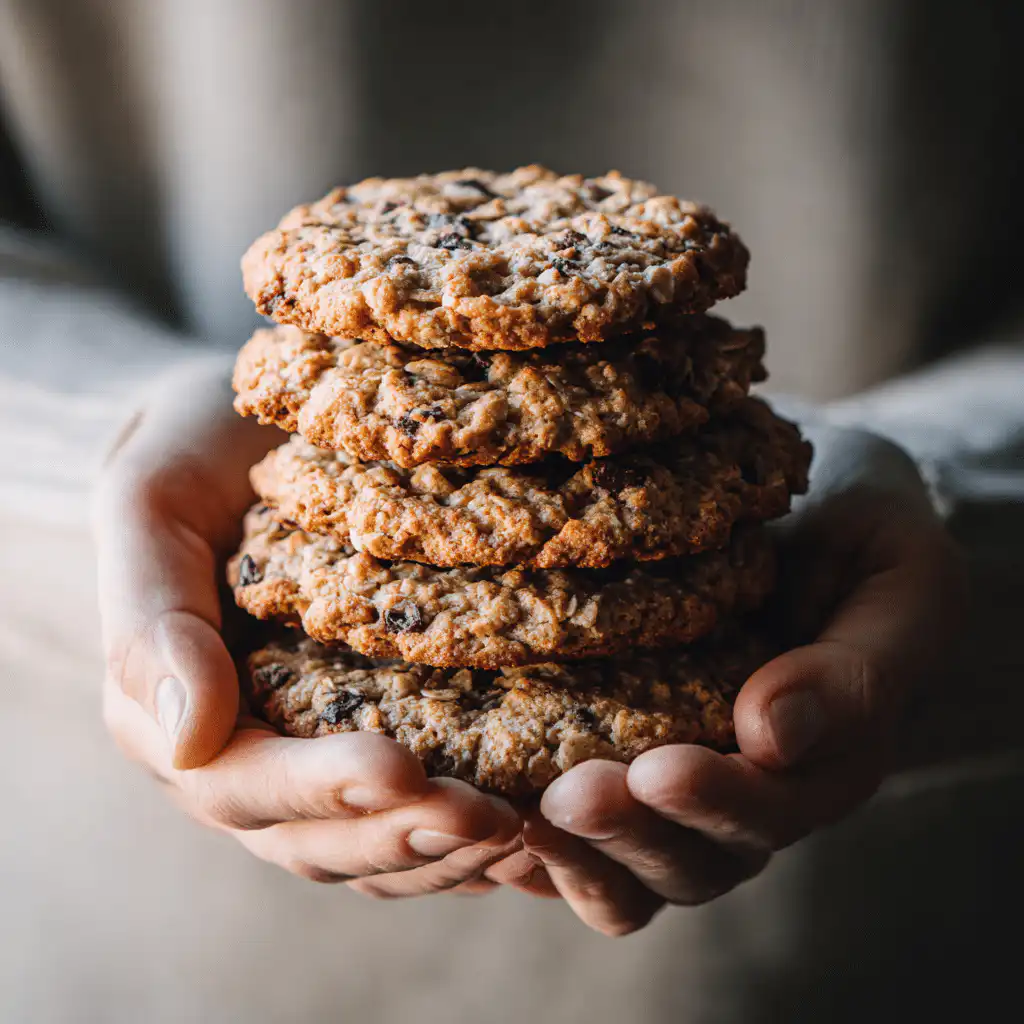
A standard chocolate chip cookie recipe usually becomes high FODMAP because of wheat flour first, then because of poorly chosen add-ins. Wheat flour is rich in fructans, which are one of the main FODMAP triggers for people with IBS. Replacing it with a low FODMAP gluten-free all-purpose blend, such as Bob’s Red Mill 1-to-1 baking flour, removes the biggest problem while keeping the dough structure close to a classic cookie.
The Flour Swap for Low FODMAP Chocolate Chip Cookies
The flour used in the source recipe is 2 1/3 cups (338 g) of low FODMAP gluten-free all-purpose flour, specifically a 1-for-1 style blend like Bob’s Red Mill. That matters because it gives predictable structure, spread, and chew without forcing a full reformulation. Rice flour and sorghum-based blends are commonly used in this category because they behave more like traditional flour in baked goods than almond or coconut flour does.
Choosing the Right Chocolate Chips
The safe chocolate zone here is dark chocolate in the 60% to 70% cacao range, which is exactly how the source recipe frames the chocolate component. The Monash recipe you shared also uses dark chocolate chips in a low FODMAP cookie format, which reinforces dark chocolate as the right direction for this style of recipe. Avoid random milk chocolate swaps, because the recipe data you provided is built around dark chocolate, not a broader chocolate category. Monash University also publishes a low FODMAP chocolate chip cookie-style recipe using dark chocolate chips.
Low-FODMAP Math: The Ultimate Low Fodmap Chocolate Chip Cookies Recipe
The batch yield is 24 cookies, which makes one cookie the safest working serving during the elimination phase. Using the ingredient weights provided, each cookie contains only a fraction of the total gluten-free flour and dark chocolate load, which is why portion control matters more than the ingredient list alone. The point of FODMAP math is not perfectionism; it is preventing stacking across a dessert that feels harmless enough to overeat.
If the full batch contains 340 g of dark chocolate and makes 24 cookies, that puts each cookie at roughly 14 g of chocolate before any variation in portioning. That is precisely why one cookie is the cleanest recommendation inside an IBS-safe framework. The same logic applies to optional walnuts or pecans: the ingredient may be tolerated in controlled amounts, but doubling the cookie count also doubles the nut load and pushes the overall serving closer to a stacking problem. Monash University validates a low-FODMAP serving of dark chocolate at 30 g, making a single cookie (14 g) a safe portion.
| Recipe Variable | Value | Why it matters |
|---|---|---|
| Total yield | 24 cookies | Sets the safe serving framework |
| Dark chocolate total | 340 g | About 14 g per cookie before portion variation |
| GF flour total | 338 g | About 14 g per cookie before portion variation |
| Safe working serving | 1 cookie | Reduces FODMAP stacking risk |
Baking Instructions
This is a one-bowl cookie method built for speed and consistency. Start with 1 cup (226 g) of unsalted butter at room temperature, then mix in 1 cup (213 g) packed brown sugar, 1/2 cup (99 g) sugar, and 2 teaspoons vanilla. Add 2 large room-temperature eggs one at a time so the dough emulsifies correctly before the dry ingredients go in.
Next, add 2 1/3 cups (338 g) gluten-free flour, 1 teaspoon baking soda, and 1 teaspoon salt directly over the wet mixture and stir until combined. Fold in 12 ounces (340 g) chopped dark chocolate and the optional 1 1/3 cups (132 g) chopped toasted walnuts or pecans.
Chill the dough in the refrigerator for at least 30 minutes (or up to 24 hours) to improve texture and prevent spreading. Finally, shape the dough into golf-ball-sized portions and bake at 375°F (190°C) for 9 to 12 minutes, until the edges are set and lightly golden.
Recipe Notes & Nutrition
The nutrition data provided for this recipe is based on one serving and lists 303 calories, 18 g fat, 3 g saturated fat, 32 g carbohydrates, 16 g sugar, 2 g fiber, 3 g protein, and 150 mg sodium. Because the recipe card source is partially incomplete, those values should be treated as the current working nutrition profile tied to the supplied competitor data rather than as independently recalculated numbers.
The biggest practical note is that this recipe works because it stays disciplined: gluten-free flour instead of wheat, dark chocolate instead of random chips, and one-cookie serving control instead of casual snacking. Optional nuts should stay optional, not automatic, because every add-in changes the digestive tolerance picture even when the base dough is well designed.
Frequently Asked Questions
Is butter low FODMAP?
Yes. Regular butter is considered low FODMAP because it is almost entirely fat and contains only trace amounts of lactose. That makes it one of the more reliable ingredients in cookie baking for people following the elimination phase, provided the rest of the recipe is also controlled.
Are haystack cookies low FODMAP?
They can be, but only if the recipe is adapted carefully. The main adjustments are using lactose-free milk and controlling the coconut portion, because shredded coconut is only low FODMAP within a limited serving range. Standard haystack recipes are not automatically safe.
Is coconut low FODMAP?
Yes, shredded coconut can be low FODMAP at up to about half a cup or less, based on the documentation you provided. The reason portion matters is that coconut can become problematic when the serving climbs too high, especially once it is combined with other fermentable ingredients in the same meal.
Can I buy low FODMAP cookies?
Yes. You noted commercial examples such as Schar Choco Chip and Orgran Sugar Free Cacao. Those products can be useful for convenience, but a homemade batch gives you far more control over the flour, chocolate, and serving size, which is often the safer route during elimination.
How to adapt high FODMAP cookie recipes?
The main adaptation is replacing wheat flour, which is high in fructans, with a gluten-free flour such as rice flour, sorghum flour, buckwheat flour, or a 1-to-1 gluten-free baking blend. After that, you check the chocolate, sweeteners, and add-ins one by one instead of assuming the recipe is safe because it is gluten-free.
What extras can I put in a low FODMAP cookie?
You can add tolerated extras in controlled amounts, including pecans, peanuts, walnuts, and almonds, as long as the portion stays within a safe serving framework. The important rule is that every extra changes the total digestive load, so additions should be deliberate rather than generous.
Conclusion
Low FODMAP chocolate chip cookies are absolutely possible when the recipe is built around the right flour, the right dark chocolate, and strict portion control. The supplied source recipe gives you a strong one-bowl foundation, a 24-cookie yield, and a practical route to a dessert that still feels like a real cookie instead of a compromise.
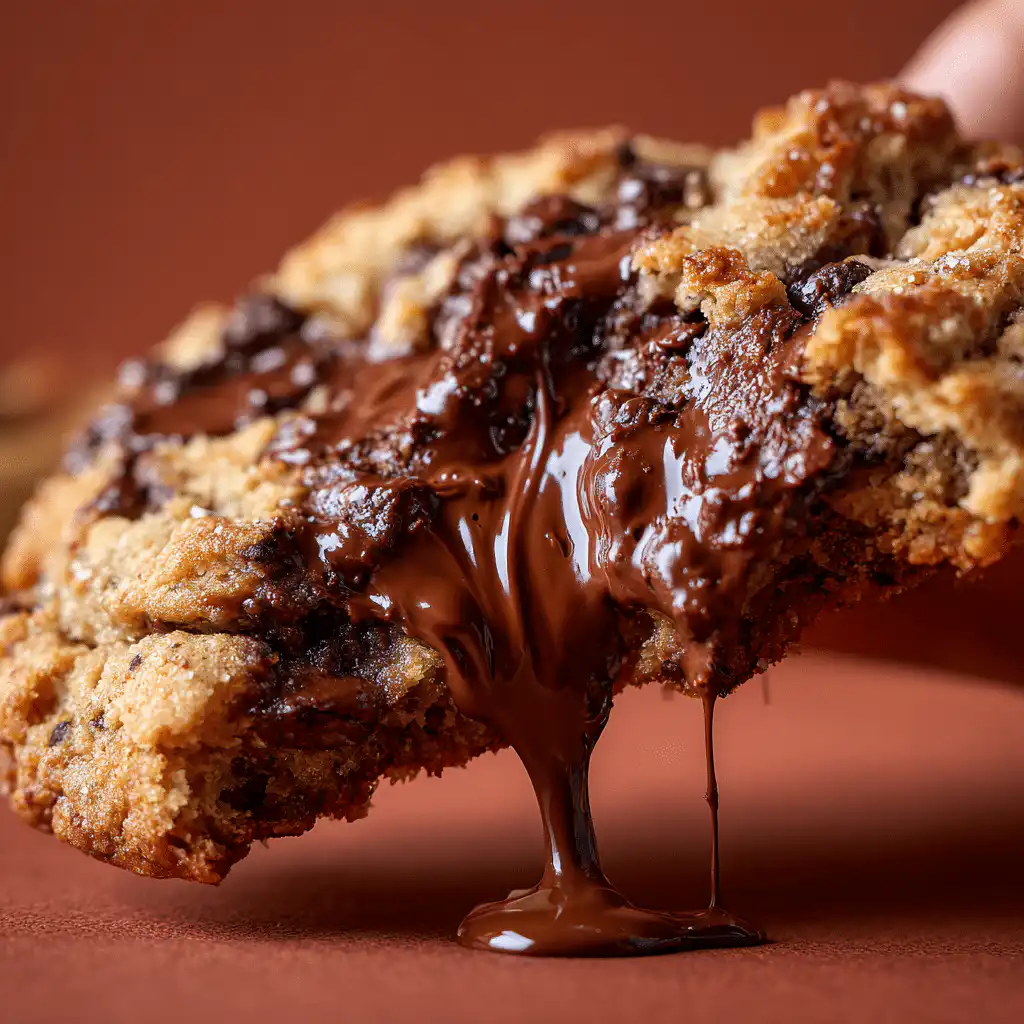
If you are baking during the elimination phase, keep the decision-making simple: use the gluten-free flour blend provided, keep the chocolate in the 60% to 70% cacao range, and treat one cookie as the working serving until tolerance is personally confirmed. That approach is what keeps the recipe useful instead of merely interesting.
📌 Love this recipe? Save it to your Low FODMAP desserts board!
Try these next: More Low FODMAP Dessert Recipes | Low FODMAP Banana Bread Recipe
🩺 Last reviewed by James Rivera — April 2026
This recipe was reviewed for ingredient safety, practical execution, and low FODMAP compatibility based on the supplied analysis set and linked Monash reference.
Medical Disclaimer: The content on this page is for educational purposes only and does not constitute medical advice. Always consult your healthcare provider or a registered dietitian before beginning, modifying, or discontinuing any dietary protocol.
Nutritional Information: All nutritional values should be treated as estimates unless otherwise specified in the source data.