
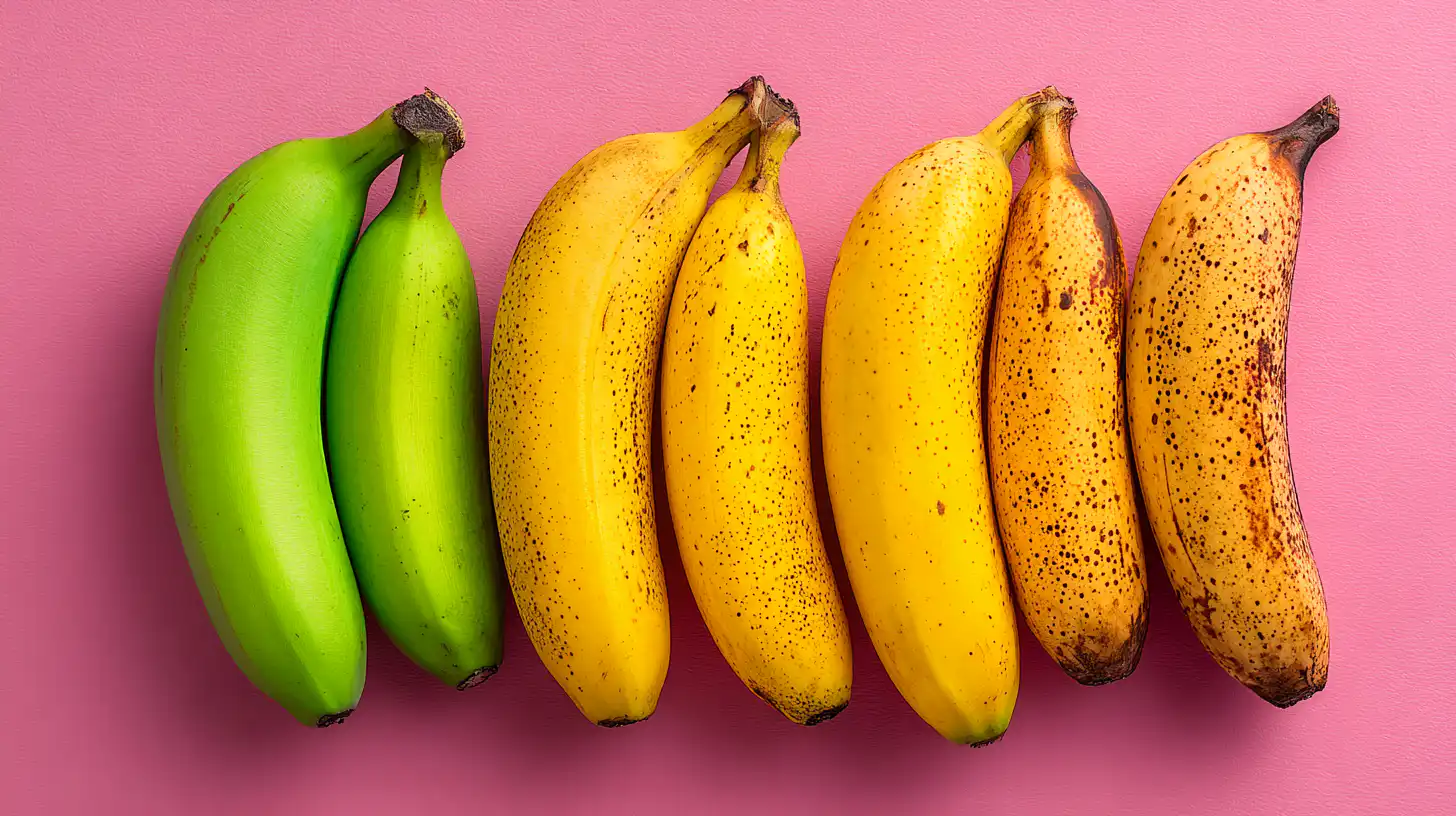
Bananas can be low FODMAP, but only when they are firm and unripe. A Monash-verified safe serving of a common Cavendish banana is up to 100g (approximately one medium banana). As ripeness increases and brown spots appear, oligo-fructan levels rise sharply, making ripe bananas high FODMAP above 45g. If you live with IBS or SIBO, knowing exactly which banana to buy and how ripe it is is the difference between a symptom-free morning and a painful flare.
I’m Sarah Martinez. I’ve been navigating IBS for 19 years. I still remember sprinting to campus bathrooms after what I thought was a healthy breakfast. Doctors dismissed my symptoms for years until a gastroenterologist finally introduced me to the Low FODMAP protocol. Today, after working with 300+ IBS clients using a Monash-first workflow, I can tell you: banana safety is one of the most misunderstood topics in the IBS community, and this guide will clear it up completely.
You’ve probably stood in the supermarket staring at a bunch of bananas, unsure whether to put them in your basket. You’ve googled this at 11pm before meal prepping, anxious about another flare. That fear is real; it’s exactly why this guide exists. For more dessert ideas, go to our low FODMAP desserts guide.
By the end of this article, you’ll know the exact gram thresholds for every banana variety and ripeness stage, why cold storage matters, the difference between Cavendish and Sugar bananas, and how to use bananas safely in a complete Low FODMAP breakfast recipe.
Table of Contents
Are Bananas Low FODMAP?
The direct answer: yes, under specific conditions. Whether bananas are low FODMAP depends entirely on the variety and the ripeness stage at which you eat them. Monash University, the global authority on FODMAP research, has tested bananas multiple times. Their data is unambiguous: a firm, slightly green Cavendish banana at 100g is low FODMAP. The same banana, ripened to spotty brown, becomes a high FODMAP trigger above 45g. The answer lies in the gram weight and the colour of the peel, not in the fruit itself.
| Variety | Ripeness | FODMAP Status | Safe Serving (Monash) | Trigger Threshold |
|---|---|---|---|---|
| Cavendish | Firm / Unripe | ✅ LOW | Up to 100g (~1 medium) | >100g → moderate fructans |
| Cavendish | Ripe / Spotted | ❌ HIGH | 35–37g (~1/3 medium) | >45g → high oligo-fructans |
| Sugar / Lady Finger | Firm | ✅ LOW | Up to 112g | Safe up to 500g (Monash tests) |
| Sugar / Lady Finger | Ripe | ✅ LOW | Up to 112g | Excess fructose only in very large servings |
Ripeness Changes Everything
When a banana is unripe, most of its carbohydrate content exists as resistant starches, long-chain molecules your small intestine cannot fully digest, but which pass through without triggering the fermentation cascade that causes IBS symptoms.
As the banana ripens, enzymes convert these resistant starches into simpler sugars and, critically, into oligo-fructans: the FODMAP compounds that feed gas-producing bacteria in the colon, generating the bloating, cramping, and urgency that define an IBS flare. Fructan accumulation accelerates sharply once visible brown spots appear on the peel; this is not a gradual change.
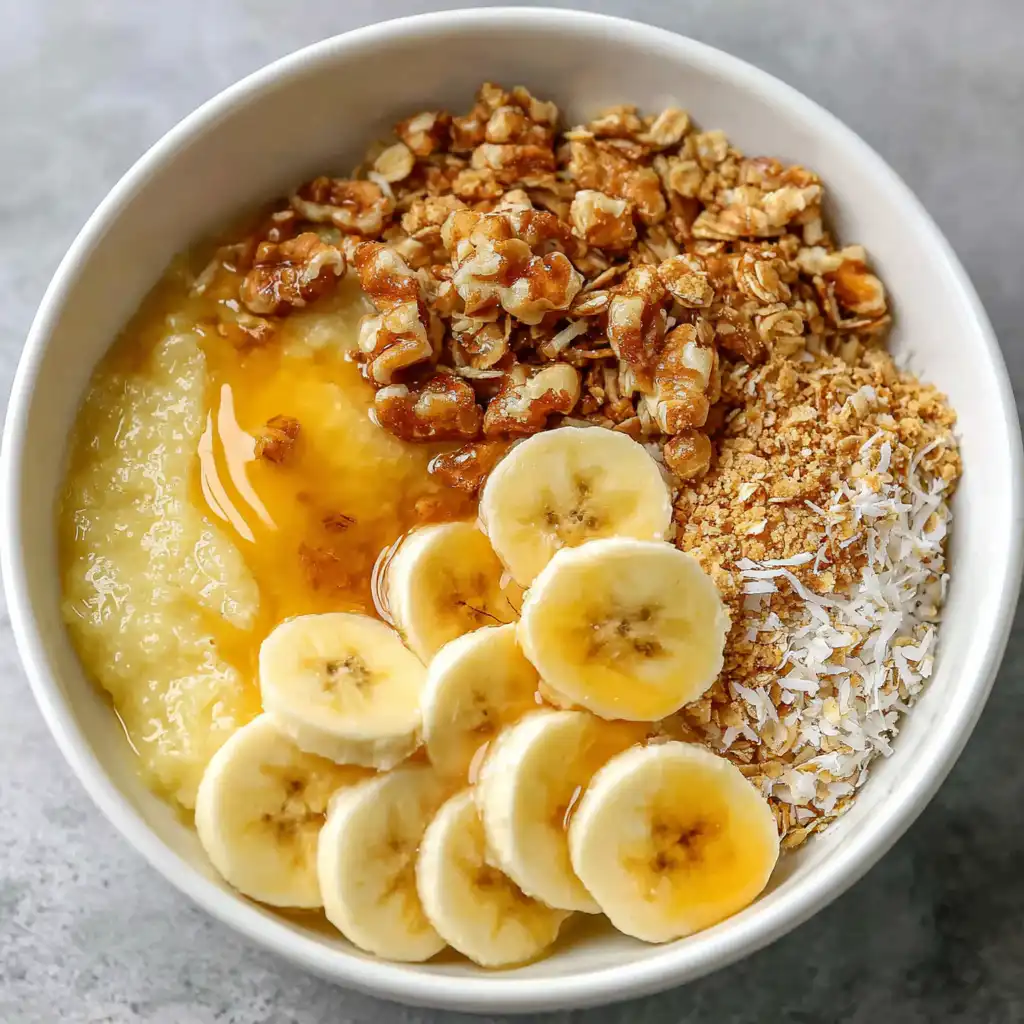
What almost no Low FODMAP guide discusses is the role of cold storage. Plants synthesize fructans as a biochemical defense mechanism against environmental stress, particularly cold temperatures. Commercial bananas are routinely stored in refrigerated environments to control shelf life across large distribution chains. This cold-storage process actively stimulates fructan synthesis within the fruit.
A supermarket banana may therefore carry a measurably higher fructan load than a locally grown banana ripened at ambient temperature, even when both appear equally firm. If you experience IBS symptoms from bananas that look unripe, cold-storage fructan accumulation is the most likely explanation. Staying well under 100g adds an evidence-informed buffer for this real-world variability.
For in-depth guidance on navigating the Low FODMAP elimination phase, Monash University’s official FODMAP resources remain the definitive clinical reference.
FODMAP Ratings by Ripeness
The most practical skill you can develop is reading ripeness visually and validating it by weight. A digital kitchen scale removes the guesswork that causes most banana-related IBS flares. Here is how to read the full ripeness spectrum for safe daily use:
- Firm yellow, slight green tips (up to 100g):
- Your primary safe zone. The Monash-verified low FODMAP window for
- Cavendish bananas. Texture is firm when pressed.
- All-yellow, softening (35–37g max): Fructan
- levels are rising. Restrict to 1/3 of a medium banana. Weigh,
- do not estimate.
- Spotty brown/overripe (avoid): High FODMAP
- at any meaningful serving size. Safe only below 35g, a portion
- too small for practical use.
- Sugar / Lady Finger banana, any ripeness (up to
- 112g): Low FODMAP regardless of ripeness stage. The
- most IBS-safe banana variety available.
One note on FODMAP stacking: even a safe banana portion can push your total fructan load over your personal threshold if combined with other moderate-FODMAP foods in the same meal. Combining your banana with certain protein powders, flavored yogurts, or specific nut butters in a single sitting can trigger symptoms even when each ingredient is individually within safe limits.
This is why working with a Low FODMAP-trained dietitian during the elimination phase remains the most reliable path to identifying your personal thresholds. Our low FODMAP banana bread is built around this stacking awareness; every ingredient is individually verified before being combined.
Nutrition Snapshot
Beyond their FODMAP profile, bananas offer a meaningful nutritional contribution for people managing IBS. A firm Cavendish banana at the safe 100g serving provides a concentrated source of potassium and magnesium, two electrolytes frequently depleted through IBS-related diarrhea episodes. The resistant starch content of an unripe banana also acts as a prebiotic substrate, selectively feeding beneficial gut bacteria without triggering the fermentation response that FODMAPs provoke in sensitive individuals.
This makes the unripe banana one of the few foods that simultaneously provides gut-health benefits and FODMAP safety, a rare combination in the IBS dietary landscape.
A note on banana pepper: if you’ve searched for are banana peppers low FODMAP, the answer is a clear yes. Banana peppers (also called yellow wax peppers) are an entirely different plant from bananas. They are classified as low FODMAP in standard serving sizes. They share only a name, not a botanical family or FODMAP profile. Confusion between the two is common in IBS communities, so the distinction is worth stating explicitly.
How to Enjoy Bananas on a Low FODMAP Diet
Practical low-FODMAP banana use comes down to three rules: choose the right variety, eat at the right ripeness, and weigh your portion. Beyond that, bananas integrate naturally into a wide range of breakfast and snack applications that work within the IBS dietary framework.

- Smoothies: Use a firm, unripe Cavendish
- (max 100g) or a ripe Sugar banana (max 112g). Blending does not
- change the FODMAP level; only the ripeness of the fruit used
- matters.
- Baking: Ripe Cavendish bananas above 37g
- are high FODMAP use ripe Sugar bananas (112g) or unripe
- Cavendish (100g) instead. Pair with maple syrup as a
- Monash-validated sweetener.
- Nice cream: Freeze firm Cavendish at 100g
- portions before ripening. Blend from frozen for a
- single-ingredient IBS-safe dessert base.
- Substitutes when no safe banana is available:
- Unripe green plantains (Low FODMAP, excellent for baking binding),
- maple syrup (replaces sweetness), or pureed plain pumpkin
- (replaces moisture and binding in baked goods).
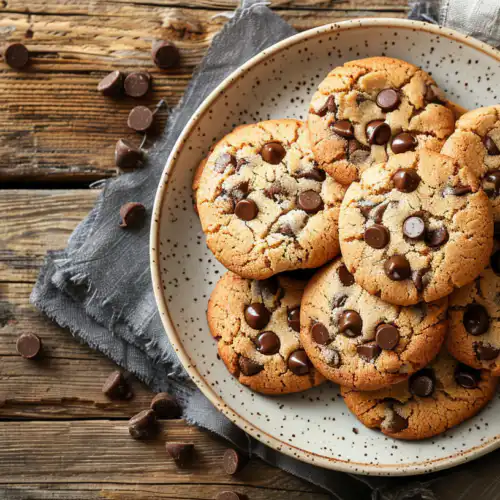
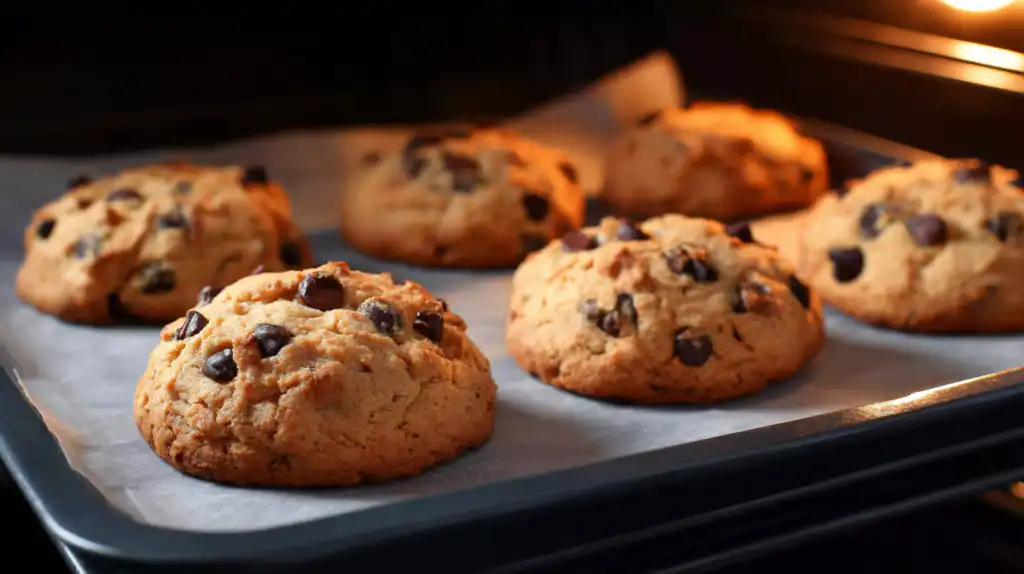
For baking applications where banana quantity directly impacts texture and flavor, our low FODMAP chocolate chip cookies demonstrate exactly how to balance FODMAP-safe sweeteners with GF flour bases the same principles that govern the recipe below.
Banana Chia Breakfast Cookies

Equipment
- baking sheet
- parchment paper
- large mixing bowl
- small mixing bowl
- fork
- Digital kitchen scale Essential weigh banana to confirm max 100g
- Wire cooling rack
Ingredients
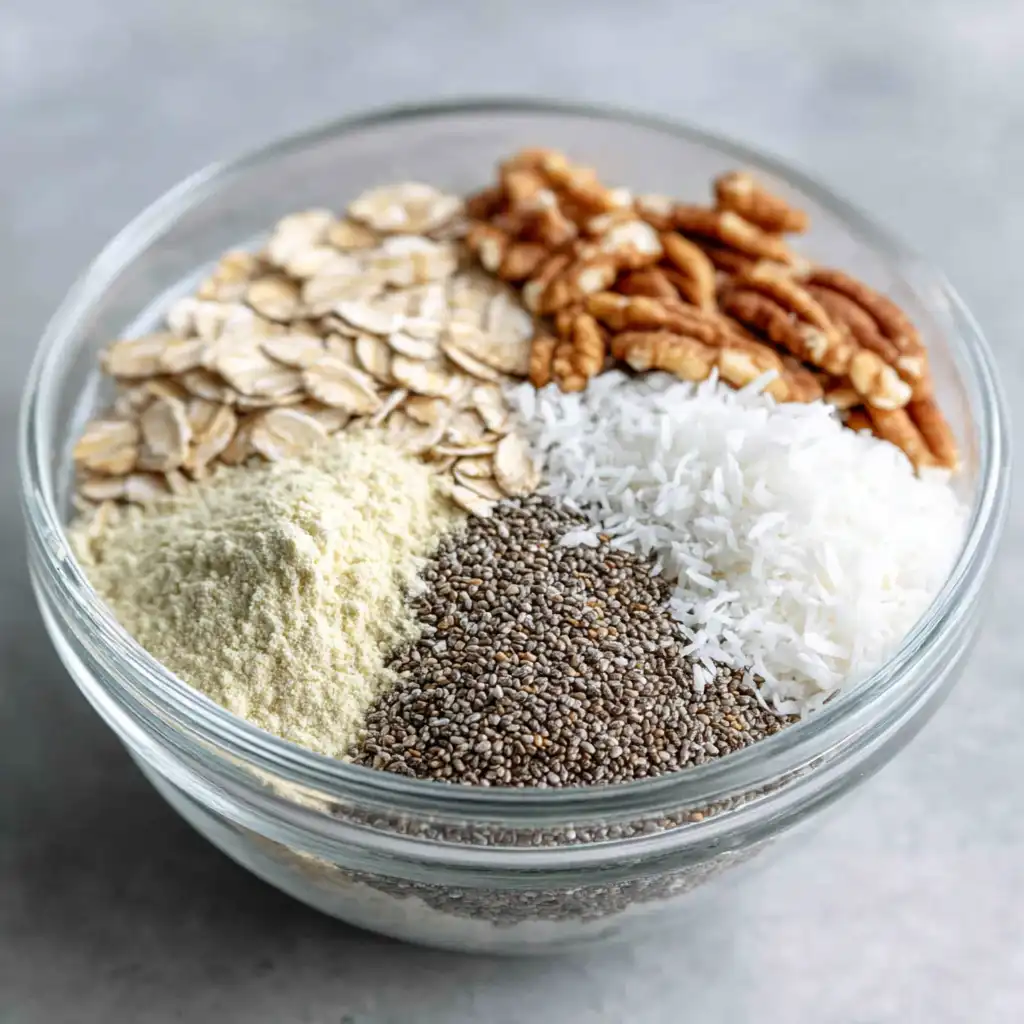
- 1 cup gluten-free old-fashioned oats (certified gluten-free – Monash-verified)
- 1/2 cup gluten-free all-purpose flour (certified gluten-free)
- 3/4 cup unsweetened coconut chips (check no added inulin or chicory root)
- 2 tbsp chia seeds (low FODMAP at this serving size)
- 2 tbsp ground flaxseed (low FODMAP at this serving size)
- 1 tsp ground cinnamon (low FODMAP – do not exceed 1 tsp per serving)
- 1/4 tsp ground nutmeg (low FODMAP at this serving size)
- 1/2 tsp baking powder (use gluten-free certified)
- 1/4 tsp salt
- 1 small unripe banana (firm, slightly green Cavendish max 100g weigh before use)
- 1/4 cup pure maple syrup (Monash-verified low FODMAP sweetener)
- 1/4 cup coconut oil, melted
- 1 tsp vanilla extract (pure check no high-FODMAP additives)
Instructions
- Preheat the oven to 325°F and line a baking sheet with parchment paper.
- Combine the oats, gluten-free flour, coconut chips, chia seeds, and ground flaxseed in a large mixing bowl.
- Add the ground cinnamon, nutmeg, baking powder, and salt. Stir until well combined.
- In a separate bowl, mash the firm unripe banana. Weigh to confirm it does not exceed 100g before mashing. Stir in the maple syrup, melted coconut oil, and vanilla extract.
- Make a well in the center of the dry ingredients and pour in the wet mixture. Fold together until fully combined.
- Scoop the dough onto the prepared baking sheet using about 3–4 tablespoons per cookie. Press gently by hand to about ½-inch thick.
- Bake for 15–20 minutes until cookies just start to color and are dry on the bottom.
- Place the pan on a cooling rack and cool the cookies completely before serving.
Video
Notes
FAQs: Bananas & FODMAPs
Is a banana low FODMAP when blended or cooked?
Blending or baking does not change the FODMAP level of a banana. Only the ripeness of the fruit at the moment of use determines its FODMAP status. A firm, unripe Cavendish banana blended into a smoothie remains low FODMAP at up to 100g. A ripe, spotted Cavendish cooked into a muffin remains high FODMAP above 45g. The heat and mechanical processing do not alter oligo-fructan content. Choose your banana before you cook it, not after.
Can I eat a banana every day on the low FODMAP diet?
It is safe to eat bananas every day if tolerated, provided you stick to one small, firm banana per day and balance it with other low FODMAP fruits like kiwi or strawberries. The key risk to manage is FODMAP stacking across the full day if your other meals already carry a moderate fructan load, even a safe banana portion can cumulatively exceed your personal threshold. Use a food and symptom journal during the elimination phase to identify your individual daily limit.
Are sugar bananas low FODMAP?
Sugar bananas (Lady Finger bananas) are low FODMAP regardless of ripeness in servings up to 112g, making them an excellent choice that does not require strict ripeness monitoring. Monash University testing shows no detectable FODMAPs in Sugar bananas up to 500g in firm form. If you find yourself reacting to Cavendish bananas even within the 100g limit, potentially due to cold-storage fructan accumulation, switching to Sugar bananas resolves this issue for most IBS sufferers.
Summary
Bananas are not a banned food on the Low FODMAP diet. They are a conditionally safe food governed by two variables: variety and ripeness, measured in grams. A firm Cavendish at 100g is gut-safe. A ripe Cavendish at the same visual size may be double the safe threshold. Sugar bananas remove this complexity entirely low FODMAP at 112g regardless of ripeness. The science is clear, the portions are exact, and the practical tools are in this guide. Choose your banana before it ripens, weigh it before you eat it, and use a Sugar banana when precision feels like too much work.
Explore More Low FODMAP Ingredients
If this guide helped you navigate bananas with confidence, apply the same approach to other breakfast staples. Our low FODMAP blueberry muffins use Monash-verified fruit portions at every step the same precision applied to a different ingredient, with the same goal: a breakfast that is genuinely safe and genuinely delicious.
📌 Love this recipe? Save it to your Low FODMAP desserts board on Pinterest!
Try these next: More Low FODMAP Recipes
Last reviewed by Sarah Martinez – April 2026
This recipe was reviewed for ingredient safety, practical execution, and low FODMAP compatibility based on Monash University data.
Medical Disclaimer: The content on this page is for educational purposes only and does not constitute medical advice. Always consult your healthcare provider or a registered dietitian before beginning, modifying, or discontinuing any dietary protocol.
Nutritional Information: All nutritional values should be treated as estimates unless otherwise specified.