

Low FODMAP cookies are safe for IBS when made with Monash-verified ingredients at the right serving size, 1 to 2 cookies per portion, keeping you well within low FODMAP limits. Monash-tested low FODMAP cookie portions confirm that gluten-free rolled oats (up to 52 g), white and brown sugar, and GF low-FODMAP flour are all green-light ingredients. In this guide, you’ll find a tested oatmeal cookie recipe, a breakdown of every key ingredient, shop-bought brand guidance, and practical tips to avoid FODMAP stacking.
I’m Sarah Martinez registered dietitian, IBS patient since 19, and the person who built GoPlated’s Monash-first workflow after years of being dismissed in doctors’ offices. Cookies were one of the first things I had to rebuild from scratch after my diagnosis, and oatmeal cookies turned out to be one of the easiest wins.
If you’ve ever stood in a supermarket aisle reading ingredient labels in a panic, wondering whether “natural flavors” means a flare-up, you already know this feeling. The fear of eating something that looks safe but isn’t is exhausting.
This guide removes that guesswork. You’ll get a chewy, IBS-friendly low FODMAP oatmeal cookie recipe you can make today, a clear breakdown of which ingredients to trust and which to avoid, and a practical plan for eating cookies without stacking FODMAPs across the day. For more sweet ideas, check out our low FODMAP desserts guide.
By the end, you’ll know exactly which cookies, homemade or store-bought, are worth trusting, how to adapt any high FODMAP recipe, and how to fit a sweet treat into your IBS management plan without anxiety.
By the end, you’ll know exactly which cookies, homemade or store-bought, are worth trusting, how to adapt any high FODMAP recipe, and how to fit a sweet treat into your IBS management plan without anxiety.
Table of Contents
Low FODMAP Oatmeal Cookies

Equipment
- baking sheet
- parchment paper or silastic baking mat
- electric mixer with flat paddle attachment
- medium mixing bowl
- silicone spatula
- wire rack
- Airtight container
Ingredients
- ½ cup unsalted butter, softened (or vegan margarine for dairy-free; or vegetable shortening for crisper cookies, all low FODMAP)
- ½ cup brown sugar (low FODMAP in moderate portions)
- ½ cup granulated white sugar (low FODMAP)
- 1 large egg
- 2 teaspoons pure vanilla extract (low FODMAP in small amounts)
- 1 cup low-FODMAP gluten-free flour (ex. Authentic Foods GF Classical Blend, low FODMAP certified)
- 1 teaspoon baking powder
- ½ teaspoon xanthan gum (only if not already in your flour blend)
- ½ teaspoon baking soda
- ¼ teaspoon salt
- ¼ teaspoon cinnamon (low FODMAP in small amounts)
- 1 cup gluten-free traditional rolled oats (low FODMAP up to 52 g per Monash)
- 1 cup optional stir-ins: semi-sweet chocolate chips, walnuts, chopped pecans, raisins (limit 13 g/serve) or dried cranberries (limit 15 g/serve per Monash)
Instructions
- Prepare baking sheet with vegetable shortening or line with parchment paper or a silastic baking mat.
- Preheat oven to 350°F (180°C). Place oven rack in the center of the oven.
- In the large bowl of an electric mixer fitted with the flat paddle, beat the softened butter (or vegan spread) with the brown sugar and granulated white sugar until light and fluffy.
- Add the egg and vanilla extract. Mix on low-medium speed until well combined, scraping down the sides of the bowl as necessary.
- In a separate medium bowl, whisk together the GF low-FODMAP flour, baking powder, baking soda, xanthan gum (if using), salt and cinnamon.
- Slowly add the dry ingredients to the mixing bowl and combine on low speed until a dough forms.
- Fold in the rolled oats and any optional stir-ins (chocolate chips, pecans, cranberries, etc.) by hand using a spatula.
- Drop heaped teaspoons of dough onto the prepared baking sheet, spacing them about 1 inch apart (cookies will spread during baking).
- Bake for 10–15 minutes until lightly golden. If making larger cookies, increase baking time slightly. Cookies will be delicate straight from the oven.
- Cool cookies on the baking sheet until the bottoms are firm before transferring to a wire rack. They will harden as they cool. Store in a covered container for 2–3 days at room temperature or freeze up to 3 months.


Video
Notes
What cookies can I eat on a FODMAP diet?
On a low FODMAP diet, you can eat cookies made with green-light ingredients: gluten-free rolled oats, low-FODMAP GF flour, white or brown sugar, butter, eggs, and vanilla extract. The critical rule is portion size. Most low-FODMAP cookie recipes are safe at 1 to 2 cookies per serve, which keeps cumulative FODMAP loads within Monash-safe limits. Always verify your specific flour blend and any stir-ins against the Monash University App before baking.
Low FODMAP cookie recipes
The best low FODMAP cookie recipes share a short, predictable ingredient list: GF oats or GF flour as the base, a neutral fat (butter or vegan margarine), a low FODMAP sugar, one egg, and vanilla. From there, you can customise with Monash-safe stir-ins, semi-sweet chocolate chips, chopped pecans, or dried cranberries (limited to 15 g per serve). Our low FODMAP chocolate chip cookies use this same framework. They are a great starting point if oatmeal isn’t your texture preference.
Low FODMAP chocolate chip cookies
Low FODMAP chocolate chip cookies are one of the most popular IBS-safe desserts because semi-sweet chocolate chips are low FODMAP at standard serving sizes. The key is to choose chips without inulin, chicory root, or high-fructose corn syrup in the ingredient list. A standard batch using GF flour, butter, brown sugar, and 1 cup of chips divided across 20+ cookies keeps each serving well within safe territory.
Low FODMAP oatmeal cookies
Gluten-free certified rolled oats are low FODMAP up to 52 g per serving per Monash University data, making oatmeal cookies one of the most reliable choices for IBS. Traditional rolled oats (not instant or quick oats) give a chewier texture and slower digestion. Our recipe below yields 22 cookies; at 1 to 2 cookies per serve, you stay comfortably within the oat portion limit even when adding stir-ins.
Low FODMAP ginger and sugar cookies
Ginger is low FODMAP at typical culinary amounts (¼ to ½ tsp per batch), and plain white sugar is unrestricted on the low FODMAP diet. Ginger cookies work well as a low FODMAP option because the base GF flour, butter, sugar and egg are identical to oatmeal cookies, with ground ginger and cinnamon replacing the oats. Sugar cookies follow the same logic: simple ingredients, no honey, no wheat flour, and controlled portion sizes.
Low FODMAP pumpkin cookies
Canned pumpkin is low FODMAP at 75 g per serve per Monash, enough to add moisture and flavour to a batch of cookies without triggering symptoms. The most common mistake with pumpkin cookies is adding honey or maple syrup in excess; keep any liquid sweetener to 1 tablespoon or less per batch and verify your specific brand in the Monash app. Pumpkin spice (cinnamon, ginger, nutmeg) is low FODMAP at baking quantities.
How to adapt high FODMAP cookie recipes
Most classic cookie recipes can be adapted for a low FODMAP diet with three targeted swaps: replace wheat flour with a certified GF low-FODMAP flour, replace honey with white or brown sugar, and verify any add-ins (nuts, dried fruit, chocolate) against Monash portion limits. The structure of a cookie, fat, sugar, egg and leavener is inherently low FODMAP. The problems almost always come from the flour, the sweetener, or the extras.
Swapping high FODMAP flours for low FODMAP flours
Wheat, rye, and spelt flours are high in fructans and must be replaced entirely. The most reliable low FODMAP substitutes are certified GF blends designed for baking brands like Authentic Foods GF Classical Blend or Bob’s Red Mill Gluten Free 1-to-1 Baking Flour, which perform well in cookie recipes. Check whether your blend already includes xanthan gum; if not, add ½ tsp per cup to maintain structure. Rice flour, oat flour (GF certified), and tapioca starch are also individually low FODMAP and can be combined in custom blends.
Replacing honey and high FODMAP sweeteners safely
Honey is high in fructose and must be eliminated entirely; even small amounts in a cookie recipe can push the FODMAP load into unsafe territory. White granulated sugar and brown sugar are low FODMAP in moderate amounts and are the safest direct replacements. Maple syrup is low FODMAP at 2 tablespoons (50 g) per serve per Monash, but should be used carefully in baking, as it adds liquid. Avoid agave syrup, high-fructose corn syrup, and any sweetener containing fructooligosaccharides (FOS) or inulin.
Choosing low FODMAP extras for cookie add-ins
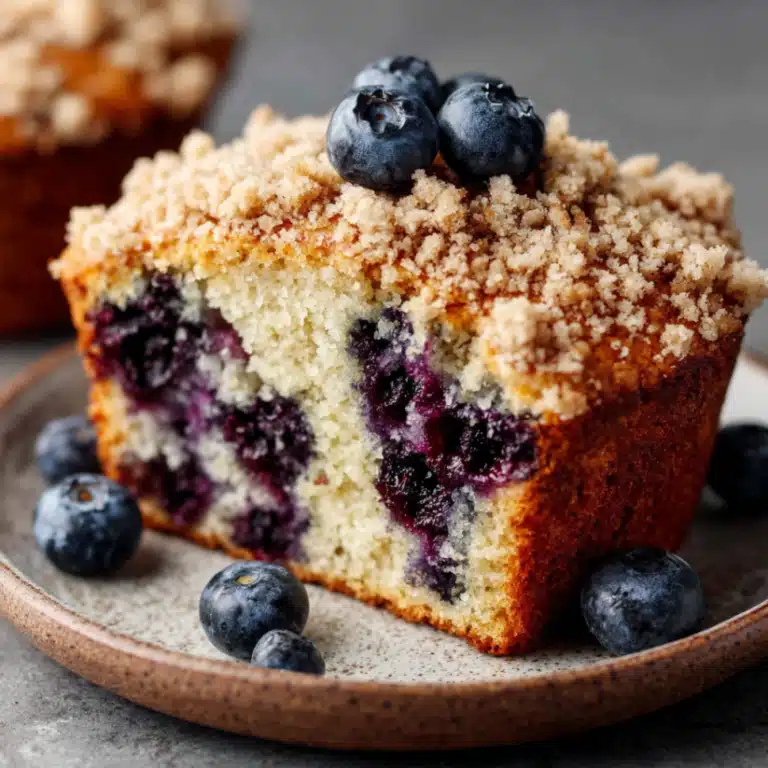
Stir-ins are where FODMAP stacking begins. Safe options include: semi-sweet chocolate chips (check for inulin), walnuts (low FODMAP up to 30 g per serve), chopped pecans, dried cranberries (15 g per serve), and raisins (13 g per serve). Avoid dried apricots, dates, figs, and any nut or fruit not verified in the Monash app. When using multiple stir-ins in the same batch, divide total amounts across the full yield to keep per-cookie FODMAP contributions micro-dosed. Our low FODMAP blueberry muffins use the same ingredient vetting logic; blueberries are safe at 40 g per serve.

Can I buy low FODMAP cookies?
Yes, store-bought low FODMAP cookies exist, but they require careful label reading. The safest approach is to look for Monash University-certified or FODMAP-Friendly-certified products, as these have been lab-tested at defined serving sizes. Without certification, you’re relying on individual ingredient assessment, which is possible but takes more time and knowledge.
Low FODMAP cookies brands
The most reliable low FODMAP cookie brands are those carrying the Monash University low FODMAP certified logo or the FODMAP Friendly certification seal. These products have been tested in certified labs at specified serving sizes, removing the need for individual ingredient analysis. Brands available in the US, UK, and Australia vary; use the Monash FODMAP App product database to search certified options in your region.
Low FODMAP cookies to buy in stores
In mainstream supermarkets, certified low FODMAP cookies are still relatively rare. Your best strategy is to shop at health food stores, specialty IBS-friendly retailers, or online. When buying from a general grocery store, look for simple shortbread or oat-based cookies with five to seven recognisable ingredients. The shorter the list, the easier the FODMAP audit. Always respect serving sizes; even a “safe” cookie becomes problematic when eaten in excess.
How to read labels for hidden FODMAPs
On any cookie label, scan immediately for these high FODMAP red flags: honey, high-fructose corn syrup, agave, inulin, chicory root extract, fructooligosaccharides (FOS), apple juice concentrate, pear juice, wheat flour, rye, barley, and dairy in large amounts (lactose). Secondary flags include “natural flavors” (can conceal garlic or onion derivatives) and “enriched wheat flour” (fructans). A label that passes these checks is a strong candidate for a safe trial, starting with one cookie to assess individual tolerance. To learn more about King’s College guidance on reducing FODMAPs in IBS, the King’s College London patient guide is an excellent free resource.
Are Oreo cookies high in FODMAP?
Oreo cookies contain wheat flour as their primary ingredient, making them high in fructans and therefore high FODMAP. They are not suitable for the elimination phase of the low FODMAP diet. Even in small quantities, the fructan content from wheat flour accumulates quickly. If you’re craving a chocolate sandwich-style cookie, a homemade version using GF low-FODMAP flour, cocoa powder (low FODMAP in small amounts), and white sugar is a workable alternative.
How to assess popular cookie brands for FODMAP content
For any mainstream cookie brand, apply the same label audit described above: check for wheat flour, honey, and high-fructose corn syrup first. If all three are absent, move to secondary checks (inulin, chicory, apple/pear juice concentrates). Brands like Tate’s Bake Shop Gluten Free Chocolate Chip Cookies use rice flour. They are frequently discussed in low FODMAP communities, but always verify current formulations as recipes change without notice.
Using the Monash University App to verify cookie ingredients
The Monash FODMAP App is the most reliable tool for individual ingredient verification. Search each ingredient separately, note the low FODMAP threshold in grams, and calculate your per-cookie contribution based on total batch weight divided by the number of cookies. This method, used by FODMAP-trained dietitians, eliminates guesswork and lets you adapt virtually any recipe confidently. The app is updated regularly as new foods are tested.
Is low FODMAP best for SIBO?
The low FODMAP diet is frequently used alongside SIBO (Small Intestinal Bacterial Overgrowth) protocols to reduce fermentable substrate and manage symptoms during treatment. However, it is not the only SIBO dietary approach; elemental diets and the bi-phasic SIBO diet are also used. Low FODMAP cookies can fit into an SIBO protocol, but only when ingredient compliance and portion limits are maintained precisely.
When a low FODMAP cookie fits into SIBO protocols
During the active SIBO treatment phase, a low FODMAP oatmeal cookie made with verified ingredients is generally compatible p, provided servings are kept to 1 to 2 cookies and no high-fermentable add-ins (raisins, dried fruit in excess, inulin-containing chips) are included. The priority during SIBO protocols is minimising total fermentable load; treats should be timed away from main meals to reduce cumulative daily FODMAP exposure.
Discussing low FODMAP strategies with your dietitian
SIBO dietary management should always be supervised by a FODMAP-trained or gut-health specialist dietitian. Self-managing a combined SIBO + low FODMAP protocol without professional guidance increases the risk of unnecessary restriction, nutritional gaps, and delayed recovery. A dietitian can determine whether a low FODMAP diet is appropriate for your SIBO type, set realistic reintroduction timelines, and help you include foods like low FODMAP cookies sustainably.
Ingredient information and FODMAP safety for cookies
Understanding which individual ingredients are safe and at what amounts is what separates a reliable low FODMAP cookie from one that looks safe but isn’t. The three categories that cause the most problems in cookie recipes are sweeteners, flours, and add-ins. Below is a practical reference based on Monash University data and the ingredient information verified across leading low FODMAP recipe sources.
FODMAP notes for sweeteners, syrups and sugars
- White granulated sugar, Low FODMAP. No restriction on baking quantities.
- Brown sugar Low FODMAP in moderate portions (up to ¼ cup / 40 g per serve).
- Golden syrup Low FODMAP at 1 teaspoon per serve. Limit to this amount per cookie serving (1–2 cookies).
- Maple syrup Low FODMAP at up to 2 tablespoons (50 g) per serve per Monash. Use carefully in baking to avoid excess per cookie.
- Honey HIGH FODMAP. Must be eliminated entirely and replaced with brown sugar or golden syrup.
- Agave syrup / high-fructose corn syrup HIGH FODMAP. Avoid entirely.
- Inulin / FOS/chicory root HIGH FODMAP. Common in “health” cookies, always check labels.
FODMAP notes for flours and grains used in cookies
- GF certified rolled oats, Low FODMAP up to 52 g per serve (Monash). Use traditional, not instant.
- Certified GF low-FODMAP flour blends Loare lowODMAP when certified. Verify xanthan gum inclusion.
- Rice flour Low FODMAP at standard baking amounts.
- Tapioca starch/arrowroot Low FODMAP in typical quantities used as binders.
- Wheat flour / rye / barley / spelt HIGH FODMAP (fructans). Must be replaced entirely.
- ChChickpea/lentil flour HIGH FODMAP (GOS). Avoid in cookie recipes despite “healthy” positioning.
FODMAP notes for nuts, chocolate and other add-ins
- Semi-sweet chocolate chips are low FODMAP at standard cookie add-in amounts when free from inulin. Check the label.
- Walnuts are low FODMAP up to 30 g per serve (Monash).
- Pecans (chopped) Low FODMAP at typical add-in amounts per cookie.
- Dried cranberries Low FODMAP at 15 g per serve (Monash).
- Raisins are low FODMAP at 13 g per serve (Monash). Easy to overdo, weigh carefully.
- Cashews/pistachios HIGH FODMAP. Avoid as cookie add-ins.
- Dried apricots/figs/dates HIGH FODMAP. Avoid entirely in cookies.
How to avoid FODMAP stacking with cookies
FODMAP stacking occurs when multiple low FODMAP foods, each safe in isolation, are eaten in the same sitting, pushing the total FODMAP load past the symptom threshold. Cookies are a particularly common stacking trigger because they’re small, easy to eat in multiples, and often paired with other snacks or drinks. Controlling stacking is just as important as controlling individual ingredient portions.
Sticking to 1–2 cookies per serve in line with Monash-style guidance
Leading low FODMAP recipe developers consistently recommend 1 to 2 cookies per serve as the safe portion for oatmeal or chocolate chip cookies. This limit accounts for the cumulative FODMAP contribution of oats, sugar, and any stir-ins within a single serving. Eating 4 to 5 cookies in one sitting, even when each cookie is technically low FODMAP, risks crossing the stacking threshold, particularly if your oat tolerance is at the lower end of the Monash range. Set your portion before you sit down, not after.
Combining cookies with drinks and snacks without exceeding safe limits
When you pair cookies with other IBS-friendly snacks in the same eating window, the combined FODMAP load matters. A serving of low FODMAP cookies alongside a vegan snickerdoodle or a hot chocolate made with lactose-free milk can still be safe if each portion is controlled, but stacking two full portions of oat-based snacks in 30 minutes removes that safety margin. A practical rule: if your snack window includes cookies, keep all other items in that window to non-oat, non-grain bases (e.g., a small portion of lactose-free yogurt or fruit within Monash limits).
Using Monash and King’s guidance to plan IBS-friendly treats
Both Monash University and King’s College London emphasise that the low FODMAP diet is not about eliminating all risk; it’s about managing total daily FODMAP load across meals and snacks. Plan your cookie treat as part of a daily FODMAP budget. If cookies are your afternoon snack, keep breakfast and lunch FODMAP loads conservative. This approach, recommended in the King’s College patient guidance, makes sustainable long-term IBS management far more achievable than all-or-nothing restriction.
Low FODMAP cookies recipes and ideas
Beyond the oatmeal cookie, there’s a wide range of low FODMAP cookie styles that cover every craving from weekday lunchbox treats to holiday baking. The recipe formula stays consistent: GF low-FODMAP base, low FODMAP sugar, egg, fat, and verified stir-ins. What changes are the texture, flavour profile, and occasion?changes is the texture, flavour profile, and occasion.

Low FODMAP vegan cookies
Vegan low FODMAP cookies replace butter with vegan margarine or vegetable shortening (both low FODMAP) and use a flax egg (1 tbsp ground flaxseed + 3 tbsp water) or chia egg as a binder. The oatmeal cookie recipe above is easily made vegan by swapping to plant-based margarine no structural changes needed. Our vegan snickerdoodle cookies follow the same approach. They are a great companion recipe for a plant-based, low FODMAP cookie spread.
Low FODMAP breakfast cookies
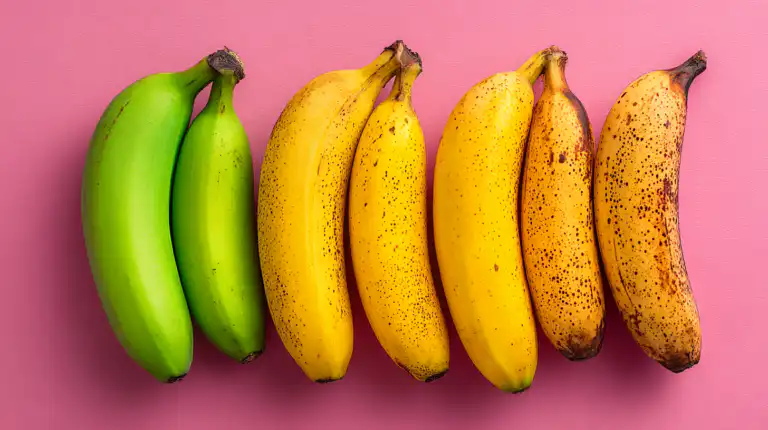
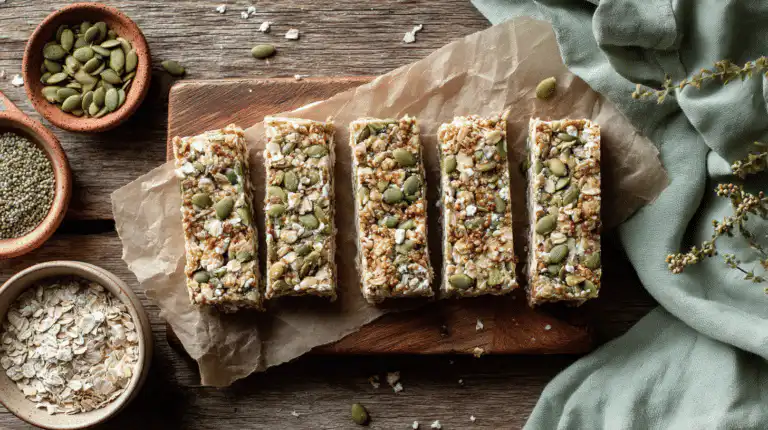
Breakfast cookies lean on oats as the primary ingredient, often with less sugar and more protein-forward add-ins like seeds or nut butters. For a low FODMAP breakfast cookie, use GF certified oats as the base, limit total batch sugar, and add pumpkin seeds (low FODMAP) or peanut butter (2 tablespoons per serve is low FODMAP per Monash) for staying power. Banana can be used as a binder at the firm, unripe stage. Ripe banana becomes high FODMAP at larger portions, so keep to ½ medium banana per 12-cookie batch.
Low FODMAP cookies for holidays and special occasions
Holiday cookies are achievable on a low FODMAP diet with the right base: GF low-FODMAP flour + butter + white sugar + egg covers Christmas sugar cookies, gingerbread men (add ground ginger and cinnamon), and Halloween cutout cookies. Avoid traditional royal icing made with powdered sugar containing cornstarch anti-caking agents; check labels. Coloured sprinkles and sanding sugars are generally low FODMAP at decorating quantities. Still, they should be checked if they contain artificial sweeteners (mannitol, sorbitol).
Summary and when to seek dietitian support
When to see an IBS specialist dietitian
If you’ve been following low FODMAP guidelines consistently and still experience symptoms after eating verified low FODMAP cookies or other safe foods, it’s time to work with a FODMAP-trained dietitian. Triggers that look like FODMAP issues can sometimes be non-FODMAP gut sensitivities, such as fat content, fibre load, or eating speed, that a specialist can identify and address. A dietitian will also guide you through the reintroduction phase, which is essential for identifying your personal FODMAP thresholds and avoiding lifelong unnecessary restriction.
How to use this low FODMAP cookies guide with your IBS plan.
Use this guide as a practical reference alongside the Monash FODMAP App and the King’s College patient guidance. The oatmeal cookie recipe covers your homemade base. The ingredient tables give you a fast audit tool for any recipe or label. The stacking section gives you a daily planning framework. Combine all three, and you have a complete IBS-friendly cookie strategy, not just a single recipe, but a repeatable system for treating yourself without anxiety.
Frequently Asked Questions
What cookies can I eat on a FODMAP diet?
On a low FODMAP diet, you can eat cookies made with GF low-FODMAP flour, certified GF rolled oats, white or brown sugar, butter, eggs, and vanilla. Stir-ins like semi-sweet chocolate chips, walnuts, pecans, and dried cranberries (within Monash portion limits) are also safe. Portion size matters: limit servings to 1–2 cookies to avoid FODMAP stacking from cumulative oat and sugar content.
What’s the best soup for IBS?
The best soups for IBS are those made with low FODMAP vegetables, carrots, zucchini, potatoes, spinach, and canned tomatoes (small amounts) with a broth free from onion, garlic, and high FODMAP additives. Bone broth and low-sodium chicken broth (verified label) are safe bases. Creamy soups using lactose-free cream or coconut cream (canned, ¼ cup per serve) also work well for IBS.
Are Oreo cookies high in FODMAP?
Yes, Oreo cookies are high FODMAP. They contain wheat flour as the primary ingredient, which is high in fructans, one of the key FODMAP groups that trigger IBS symptoms. They are not suitable during the low FODMAP elimination phase. A homemade GF version using low-FODMAP flour, cocoa powder, and white sugar is a safe alternative at 1–2 cookies per serve.
Is low FODMAP best for SIBO?
Low FODMAP is one of several dietary approaches used alongside SIBO treatment, as it reduces fermentable carbohydrates that feed bacterial overgrowth in the small intestine. It is not the only option; the bi-phasic SIBO diet and elemental diet are also used. The best dietary approach for SIBO depends on your specific bacterial type and treatment protocol; always discuss with a FODMAP-trained or gut-health specialist dietitian before starting.
Conclusion
Low FODMAP cookies are entirely achievable for everyday treats, holiday baking, and even store-bought options when you know which ingredients to trust and how to manage portion sizes. The core framework is simple: GF low-FODMAP flour or certified oats, low FODMAP sugar, butter, egg, and verified stir-ins at Monash-safe limits. Keep servings to 1–2 cookies, avoid FODMAP stacking across your snack window, and use the Monash App as your real-time ingredient reference. Cookies don’t have to be off the table with IBS; they just need the right recipe and the right approach.
Tested by James Rivera, Recipe Developer & Texture Specialist – April 2026
Recipe tested 3 times for flavor, texture, and Low FODMAP compliance based on Monash University data.
📌 Love this recipe? Save it to your Low FODMAP Snacks board on Pinterest!
Try these next:
More Low FODMAP Dessert Recipes | Low FODMAP Chocolate Chip Cookies | Vegan Snickerdoodle Cookies Low FODMAP
Medical Disclaimer: Educational purposes only — not medical advice. Consult your healthcare provider or RD before any dietary change.
Nutritional Information: All values are estimates unless specified.