
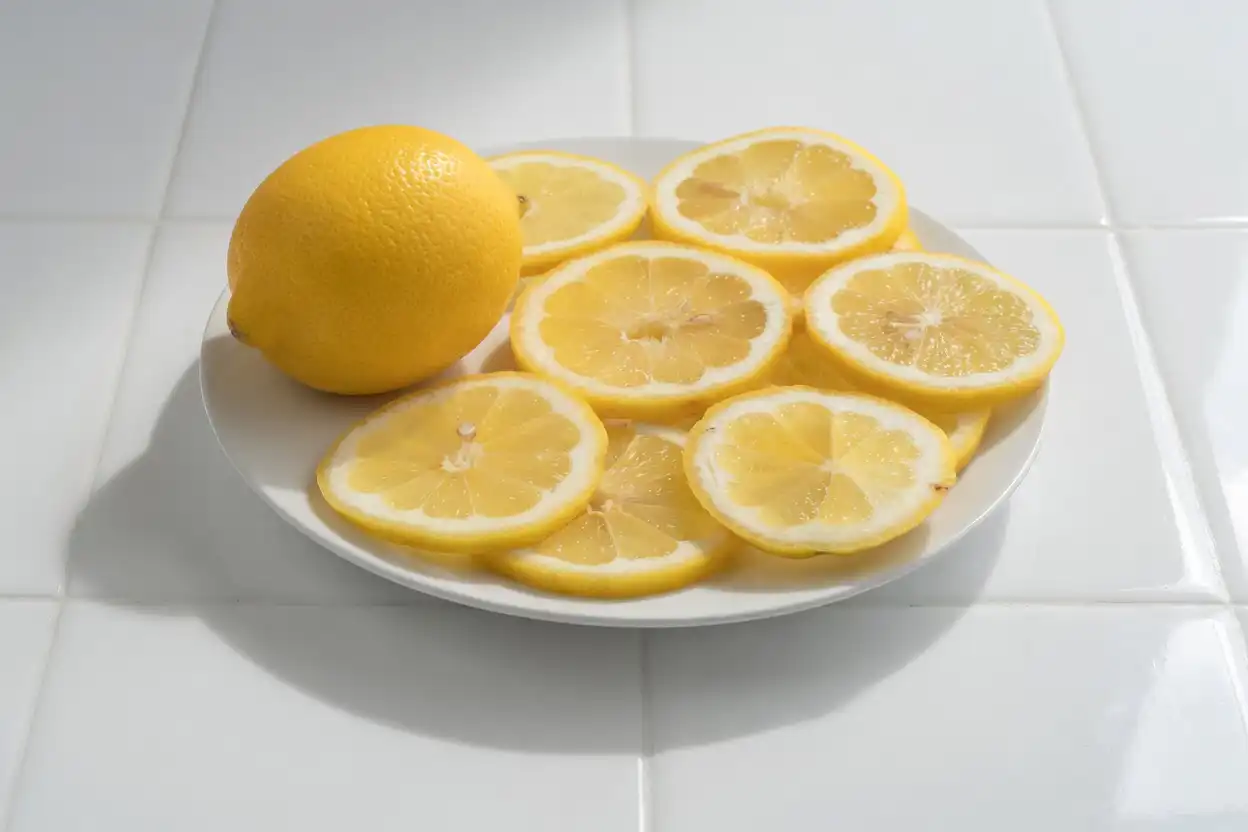
Lemon is low FODMAP and safe for IBS at up to 125ml (½ cup) of fresh juice per serving, Monash-verified. According to Monash University FODMAP Research, fructan levels only become problematic above ⅔ cup (160ml), making lemon one of the most IBS-friendly citrus fruits available. This guide covers exact safe portions, the difference between juice and zest, and how to use lemon confidently in your Low FODMAP kitchen.
I’m Sarah Martinez, a registered dietitian who has been living with IBS since I was 19. Back then, I spent years being dismissed by doctors before I found a gastroenterologist at Oregon Health & Science University who finally gave me answers through the Monash protocol. I’ve since worked with 300+ IBS clients, and lemon is one of the first ingredients I teach them to embrace.
If you’ve been standing in your kitchen, fresh lemon in hand, wondering whether it’ll trigger a flare, you are not alone. That fear is real, and it’s exhausting.
The good news? Lemon is one of the safest, most versatile ingredients in the Low FODMAP toolkit when used correctly. The key is knowing the serving size threshold that keeps you safe, and the hidden traps (like bottled lemon juice) that can secretly push you over it. For more dessert ideas, visit our low FODMAP desserts guide.
In this guide, you’ll find: the exact Monash-verified portion limits for lemon juice, zest, and pulp; a citrus comparison chart; red-flag warnings for FODMAP stacking; and practical recipes to start using lemon today safely.
Table of Contents
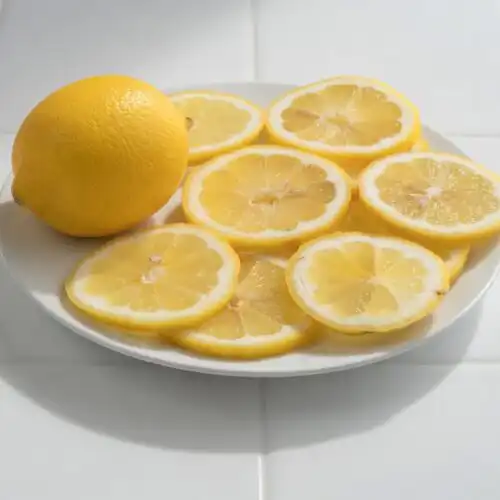
Low FODMAP Lemon Herb Vinaigrette

Equipment
- Microplane grater For fine lemon zest without pith
- Glass jar with lid For shaking and storage
- measuring cups and spoons
Ingredients
- 60 ml Fresh lemon juice (freshly squeezed only, never bottled; Low FODMAP at this dose)
- 1 tbsp Lemon zest (zero FODMAP, aromatic essential oils only)
- 120 ml Extra virgin olive oil (FODMAP-free)
- 1 tsp Pure maple syrup (Low FODMAP certified, safe honey substitute)
- 1 tbsp Fresh chives, finely chopped (safe onion substitute ,Low FODMAP)
- 0.25 tsp Fine sea salt
- 0.25 tsp Black pepper, freshly ground
Instructions
- Squeeze fresh lemons to obtain exactly 60ml of juice. Using a microplane, zest one lemon to yield 1 tablespoon of zest. Avoid grating into the white pith beneath the skin.
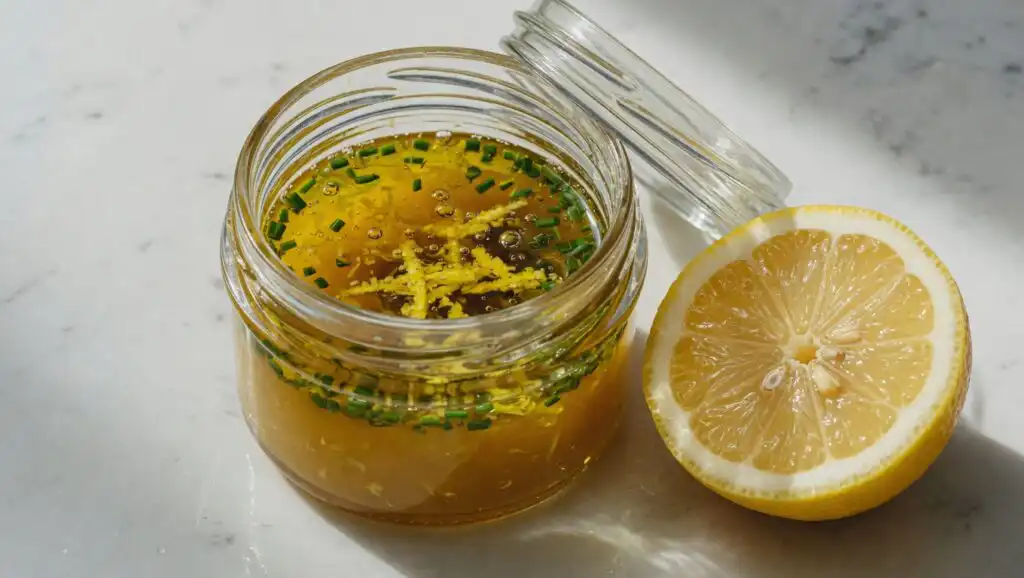
- Combine lemon juice, lemon zest, maple syrup, salt, and pepper in a clean glass jar with a tight-fitting lid.
- Add the olive oil and finely chopped chives. Seal the jar and shake vigorously for 20 seconds until fully emulsified.
Notes
Nutrition
Can I Have Lemon on a Low FODMAP Diet?
Yes, and the science is reassuring. Fresh lemons contain negligible levels of fructose, sorbitol, and GOS. Their primary FODMAP concern is fructans, which only accumulate to problematic levels in large quantities of juice. According to Monash University testing, a standard culinary serving of lemon juice (2 tablespoons / 30ml) is essentially FODMAP-free. It will not trigger fermentation or osmotic distress in the gut of a typical IBS patient.
The mechanism matters here. FODMAPs cause symptoms because they are poorly absorbed in the small intestine, drawing water inward and fermenting rapidly in the colon. Lemon juice, in safe portions, passes through without triggering this cascade. Its acidic pH does not indicate FODMAP content acidity, and fermentable carbohydrates are entirely separate properties. This distinction confuses even seasoned IBS sufferers.
Lemon also contributes vitamin C and flavonoids, both of which have demonstrated anti-inflammatory properties relevant to gut mucosal health. For IBS patients managing overlapping conditions like endometriosis, where a 2025 Monash study showed that low FODMAP reduces GI symptom severity by 40%, lemon is a practical, evidence-aligned ingredient.

Is Lemon Juice Low FODMAP? The 125ml Rule
Fresh lemon juice is Low FODMAP at servings up to 125ml (½ cup) per meal. At ⅔ cup (approximately 160ml), fructan levels rise to the “moderate” threshold. At a full cup (250ml) and beyond, it reaches the “high FODMAP” category. In practical terms, almost no recipe calls for ½ cup of lemon juice in a single serving, making lemon one of the most forgiving ingredients in the IBS kitchen.
The critical variable is whether you use fresh or bottled juice. Bottled lemon juice products frequently contain concentrated fruit juices, natural flavors, or preservatives that introduce additional fructans or other FODMAPs not present in the fresh equivalent. Always check the ingredient label. If the product contains any fruit concentrate, consider it a high-FODMAP risk regardless of the lemon branding.
| Lemon Product | Serving Size | FODMAP Status | Fructan Risk |
|---|---|---|---|
| Fresh lemon juice | Up to 125ml (½ cup) | ✅ Low FODMAP | None at this dose |
| Fresh lemon juice | 160ml (⅔ cup) | ⚠️ Moderate | Fructans present |
| Fresh lemon juice | 250ml (1 cup) | ❌ High FODMAP | High fructans |
| Lemon zest | Up to 1 tbsp | ✅ Low FODMAP | Zero |
| Bottled lemon juice | Any amount | ⚠️ Check label | Variable – concentrates risk |
Is Lemon Water Low FODMAP?
Lemon water is safe on a low-FODMAP diet. A standard preparation of one to two tablespoons of fresh lemon juice (15–30ml) in a full glass of water sits well within the Monash-safe threshold. It delivers electrolytes, vitamin C, and gentle digestive stimulation without any FODMAP load. For IBS patients who struggle with morning gut discomfort, warm lemon water is a clinically sensible ritual. Avoid pre-made lemon water products, which may contain high-fructose sweeteners.
Is Lemon Tea Low FODMAP?
Plain lemon tea made with a slice of lemon or a squeeze of fresh juice in hot water is Low FODMAP. The challenge arises with commercial lemon tea bags or pre-mixed powders, which often contain chicory root extract, apple concentrate, or honey as sweeteners. These ingredients are high-FODMAP and will override the safety of the lemon itself. Always use loose-leaf or single-ingredient teas and add your own fresh lemon slice.
Is Lemon Zest Low FODMAP?
Lemon zest is the most FODMAP-friendly part of the lemon. The outer rind contains zero measurable fructans at any culinary quantity. Zest is packed with aromatic essential oils, primarily limonene, which gives dishes a deep lemon flavor without the liquid volume that risks pushing you over the fructan threshold. This makes zest an exceptional Low FODMAP flavor amplifier: use it generously in baking, sauces, dressings, and marinades.
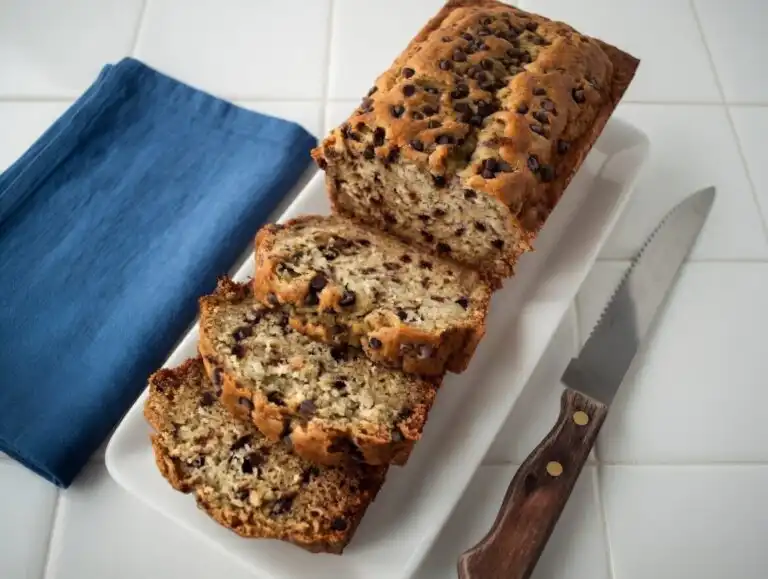
A microplane grater is the standard tool for producing fine zest that distributes evenly through a recipe. Avoid the white pith beneath the rind, which is not a FODMAP concern, but it is intensely bitter and impacts flavor. One tablespoon of zest delivers more lemon flavor than two tablespoons of juice, making it a strategic swap for IBS patients who want bold citrus notes in baked goods like our Low FODMAP Chocolate Chip Cookies or Low FODMAP Banana Bread.

Are Lemons a Trigger for IBS?
Lemons are not an IBS trigger in safe portions. The confusion stems from conflating acidity with fermentable carbohydrates. Acidic foods can irritate a sensitive esophagus or trigger acid reflux in GERD patients, but that is a separate physiological mechanism from the FODMAP-driven fermentation that causes IBS symptoms like bloating, cramping, and altered bowel habits. A lemon is acidic; it is not fermentable at normal culinary servings.
However, for IBS patients with co-existing GERD or gastritis, large amounts of lemon juice may still aggravate symptoms through acid irritation even without any FODMAP involvement. This is a patient-specific sensitivity, not a universal rule. If you suspect GERD overlaps with your IBS, discuss the use of citrus with your gastroenterologist before starting elimination. You can learn more about navigating IBS alongside other conditions at the King’s College London FODMAP Department, which publishes ongoing clinical guidance.
Which Citrus Fruit is the Lowest FODMAP?
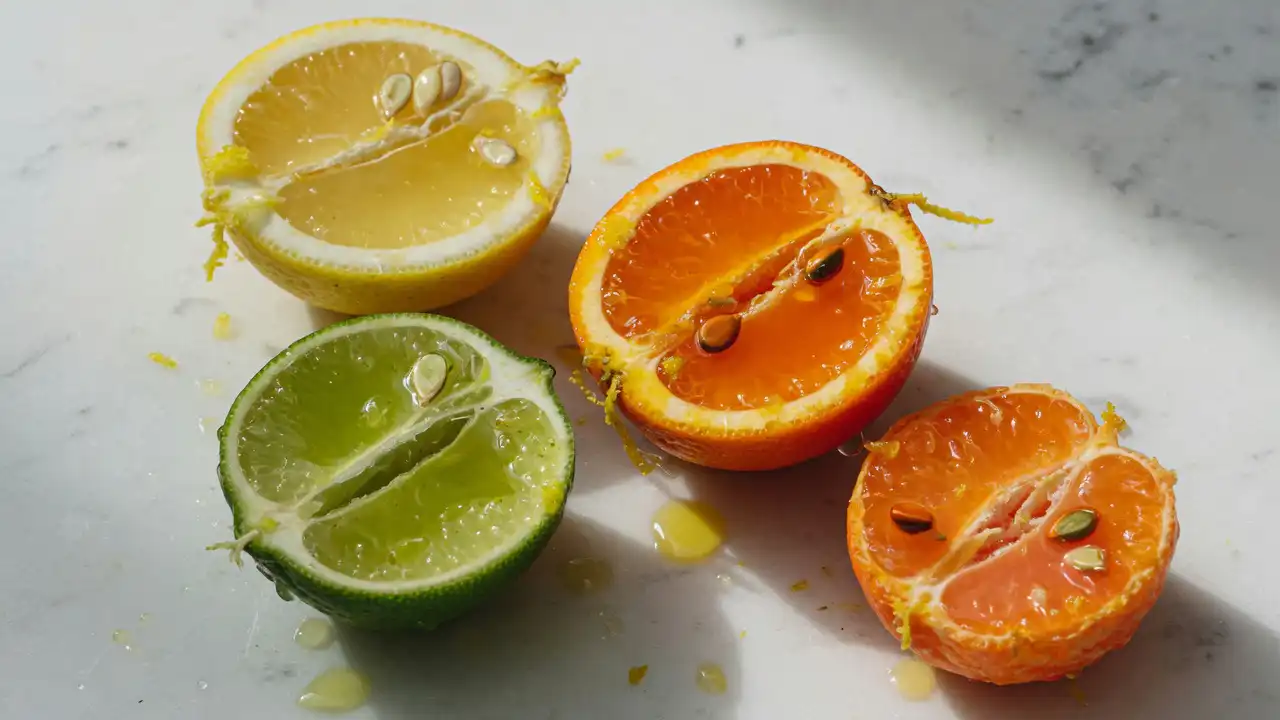
Lemon and lime are the two lowest-FODMAP citrus fruits available. The table below compares the four main citrus options based on Monash University data, making it easy to substitute safely when a recipe calls for one or another.
| Citrus Fruit | Safe Serving (Juice) | FODMAP Type at Excess | Zest Status |
|---|---|---|---|
| Lemon | Up to 125ml | Fructans | ✅ Zero FODMAP |
| Lime | Up to 125ml | Fructans | ✅ Zero FODMAP |
| Orange | Up to 125ml | Fructose | ✅ Low FODMAP (small amount) |
| Mandarin | Up to 53ml | Fructose + Sorbitol | ⚠️ Limit to 1 tsp |
This also connects directly to the concept of FODMAP stacking, the cumulative loading of fermentable carbohydrates across a meal. If your recipe includes both lemon juice and orange segments, the combined fructan/fructose load may exceed safe thresholds even though each ingredient is individually within range. When preparing Low FODMAP desserts, check our full Low FODMAP Desserts category for stacking-safe recipes, always accounting for total citrus volume across the plate.
What Fruits Should I Avoid on a Low FODMAP Diet?
The fruits most likely to trigger IBS symptoms are those high in excess fructose or polyols (sorbitol, mannitol). The following should be avoided or strictly portion-controlled during the elimination phase:
- Apples High fructose and sorbitol (learn more: Are Apples Low FODMAP?)
- Mangoes have high excess fructose
- Watermelon High fructose and mannitol
- Cherries High sorbitol
- Peaches & Nectarines: High sorbitol and excess fructose
- Pears have very high sorbitol and fructose
- Dried fruits (raisins, dates, figs) Concentrated polyols and fructose
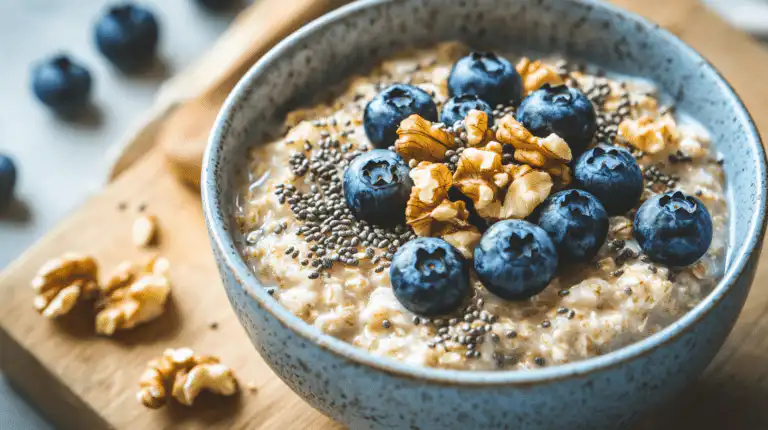
Low FODMAP-safe fruit alternatives include: blueberries (up to ½ cup Are Blueberries Low FODMAP?), strawberries, kiwi, grapes, and of course, lemon and lime.
How to Use Lemon Without Triggering FODMAP Stacking
FODMAP stacking is the leading cause of unexpected IBS flares in patients who are otherwise diligent about their diet. It occurs when multiple “Low FODMAP” ingredients are combined in a single meal, each contributing a small fructan or fructose load that cumulatively exceeds the tolerable threshold. Lemon is frequently involved because it appears in dressings, marinades, sauces, and desserts, sometimes multiple times in the same meal.
To avoid stacking with lemon, apply these three rules consistently:
- Prioritize zest over juice when flavor is the goal. Zest adds zero FODMAP load and delivers superior aromatic intensity.
- Set a 30ml ceiling per dish for fresh lemon juice, leaving ample margin before the 125ml threshold, even if lemon appears in multiple components of a meal.
- Never combine lemon juice with other citrus in the same meal without calculating the combined serving of orange, lime, and lemon fructans that accumulate.
During the reintroduction phase of the Low FODMAP protocol, lemon juice makes an excellent vehicle for testing fructan tolerance. Because it is one of the purest fructan sources available at high volumes (above ⅔ cup), it allows you to isolate your fructan threshold without introducing confounding variables from other food groups. Work with your dietitian or follow the King’s College London reintroduction protocol to structure this test accurately.
Frequently Asked Questions
Is lemon low FODMAP?
Yes, lemon is Low FODMAP. Fresh lemon juice is safe at up to 125ml (½ cup) per serving, Monash-verified. Lemon zest is zero FODMAP at any culinary quantity. Fructan levels only become moderate above ⅔ cup and high at 1 full cup of juice.
Can I drink lemon water on a low FODMAP diet?
Yes. Lemon water made with 1–2 tablespoons of fresh lemon juice is fully Low FODMAP and IBS-safe. Avoid commercial lemon water products that may contain high-fructose sweeteners, chicory extract, or fruit concentrates, all of which are high-FODMAP additives.
Is bottled lemon juice low FODMAP?
Not always. Bottled lemon juice can contain concentrated fruit juices or natural flavors that introduce additional FODMAPs beyond those in fresh lemons. Always check the ingredient list. If the product contains any form of fruit concentrate, treat it as high-FODMAP risk and use fresh-squeezed lemon instead.
Is lemon zest low FODMAP?
Lemon zest is zero FODMAP and can be used freely in Low FODMAP cooking and baking. It contains aromatic essential oils with no measurable fructans or other fermentable carbohydrates at any standard culinary quantity. It is the ideal way to get deep lemon flavor without any FODMAP risk.
How much lemon juice is safe for IBS?
According to Monash University data, up to 125ml (½ cup) of fresh lemon juice per serving is safe for IBS on a Low FODMAP diet. At ⅔ cup (160ml), fructan levels reach moderate. At 1 cup (250ml), the level is high FODMAP. In practice, most recipes use far less than these amounts per individual serving.
Does lemon cause bloating?
Lemon does not cause FODMAP-driven bloating at safe servings (up to 125ml juice). However, its acidity may aggravate acid reflux or GERD symptoms in some IBS patients. If you experience bloating after consuming lemon, consider whether you are exceeding the 125ml threshold or combining lemon with other fructan sources in the same meal (FODMAP stacking).
The Bottom Line
Lemon is one of the most IBS-friendly ingredients in your kitchen and one of the most misunderstood. Fresh lemon juice is Low FODMAP at up to 125ml per serving, lemon zest carries zero FODMAP load at any culinary quantity, and lemon water is fully safe for daily use. The key risks are bottled products with hidden concentrates and FODMAP stacking when lemon appears alongside other citrus in a single meal.
Keep your portions in range, prioritize zest for flavor, and use fresh-squeezed juice exclusively. Lemon will be one of your most reliable low-FODMAP allies throughout the elimination and reintroduction phases.
Tested by James Rivera, Recipe Developer & Texture Specialist — April 2026
Recipe tested 3 times for flavor, texture, and Low FODMAP compliance based on Monash University data.
📌 Love this recipe? Save it to your Low FODMAP Snacks board on Pinterest!
Try these next: More Low FODMAP Desserts Recipes | Are Blueberries Low FODMAP? Full Guide | Is Dark Chocolate Low FODMAP?
Medical Disclaimer: Educational purposes only — not medical advice. Consult your healthcare provider or RD before any dietary change.
Nutritional Information: All values are estimates unless specified.